



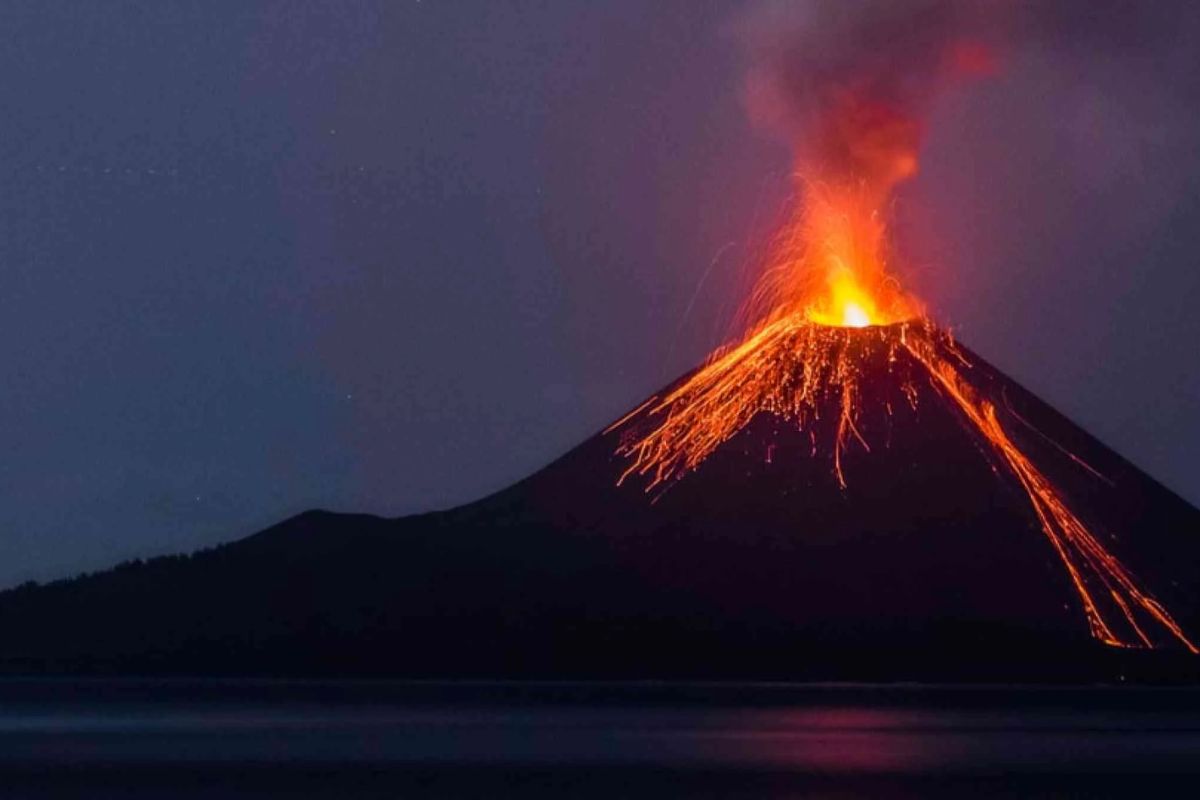
Did you know that Ethiopia is home to some of the world's most fascinating volcanic activity? Ethiopia, located in the Horn of Africa, boasts a unique geological landscape shaped by its numerous volcanoes. One of the most famous is Erta Ale, known for its persistent lava lake. These volcanic eruptions have not only sculpted the land but also influenced the culture and history of the region. From the Afar Depression, where the Earth's crust is splitting apart, to the towering peaks of the Ethiopian Highlands, the country's volcanoes offer a glimpse into the dynamic forces shaping our planet. Let's dive into 25 intriguing facts about Ethiopia's volcanic eruptions that will leave you in awe!
Ethiopia's Volcanic Landscape
Ethiopia, known for its rich history and diverse culture, also boasts a fascinating geological landscape. The country is home to several active volcanoes, making it a hotspot for volcanic activity. Here are some intriguing facts about Ethiopia's volcanic eruptions.
-
Ethiopia lies on the East African Rift: This tectonic plate boundary is slowly splitting the African continent into two, creating numerous volcanoes along the way.
-
Erta Ale is one of the most active volcanoes: Located in the Afar Region, Erta Ale has a continuously active lava lake, one of only a few in the world.
-
Dallol is the hottest inhabited place on Earth: This volcanic crater in the Danakil Depression often records temperatures above 100°F (38°C).
-
The Danakil Depression is below sea level: At 410 feet (125 meters) below sea level, it is one of the lowest points on Earth.
-
Erta Ale means "Smoking Mountain": The name comes from the local Afar language, reflecting the volcano's constant activity.
Historical Eruptions
Ethiopia's volcanic history is as dramatic as its landscape. Several eruptions have shaped the region and impacted its people.
-
Erta Ale's 2005 eruption: This eruption caused significant displacement of local communities and altered the surrounding landscape.
-
Dabbahu Volcano erupted in 2005: Also known as Boina, this eruption created a massive fissure and was part of a larger rifting event.
-
Alu-Dalafilla eruption in 2008: This eruption produced large lava flows and ash plumes, affecting nearby settlements.
-
Mount Ayalu's historical eruptions: Though currently dormant, Ayalu has had several significant eruptions in the past.
-
Kone Volcano's 1820 eruption: This lesser-known eruption had a considerable impact on the local environment.
Unique Geological Features
Ethiopia's volcanoes are not just about eruptions; they also create unique geological features that attract scientists and tourists alike.
-
Lava lakes are rare: Erta Ale's lava lake is one of only six in the world, making it a significant geological feature.
-
Sulfur springs in Dallol: These colorful springs are formed by volcanic activity and are rich in minerals.
-
Salt flats in the Danakil Depression: Volcanic activity has created vast salt flats, which are mined by local communities.
-
Geysers and hot springs: Volcanic activity heats underground water, creating geysers and hot springs in several areas.
-
Basalt columns: These hexagonal rock formations are created by cooling lava and can be seen in various locations.
Impact on Local Communities
Volcanic activity in Ethiopia has a profound impact on local communities, both positively and negatively.
-
Displacement due to eruptions: Eruptions like those of Erta Ale have forced communities to relocate.
-
Tourism boost: Unique volcanic features attract tourists, providing income for local communities.
-
Salt mining in the Danakil Depression: Volcanic activity has created salt flats that are a vital economic resource.
-
Agricultural challenges: Volcanic ash can both enrich and damage soil, affecting local agriculture.
-
Cultural significance: Many local communities have cultural and spiritual connections to the volcanoes.
Scientific Research and Monitoring
Ethiopia's volcanic activity provides valuable opportunities for scientific research and monitoring.
-
Geological studies: Scientists study the volcanoes to understand tectonic activity and predict future eruptions.
-
Volcano monitoring systems: Ethiopia has established monitoring systems to provide early warnings of eruptions.
-
International collaboration: Ethiopian scientists work with international researchers to study volcanic activity.
-
Educational opportunities: Universities in Ethiopia offer programs in geology and volcanology, attracting students from around the world.
-
Climate impact studies: Researchers study how volcanic eruptions in Ethiopia affect global climate patterns.
The Final Word on Ethiopia's Volcano Eruption
Ethiopia's volcanoes are more than just geological wonders; they're a testament to the Earth's dynamic nature. From the Erta Ale lava lake to the explosive history of Dabbahu, these natural phenomena shape the landscape and influence local cultures. Understanding these eruptions helps scientists predict future activity and prepare communities for potential hazards.
Volcanoes like Erta Ale offer a rare glimpse into the Earth's inner workings, making Ethiopia a hotspot for researchers and adventure seekers alike. The country's volcanic activity is a reminder of our planet's ever-changing nature and the power it holds.
Whether you're a geology enthusiast or just curious about the world, Ethiopia's volcanoes provide a fascinating subject to explore. So, next time you think of Ethiopia, remember it's not just about ancient history and rich culture; it's also about the fiery forces shaping its land.
Was this page helpful?
Our commitment to delivering trustworthy and engaging content is at the heart of what we do. Each fact on our site is contributed by real users like you, bringing a wealth of diverse insights and information. To ensure the highest standards of accuracy and reliability, our dedicated editors meticulously review each submission. This process guarantees that the facts we share are not only fascinating but also credible. Trust in our commitment to quality and authenticity as you explore and learn with us.