



Brampton weather can be quite the topic of conversation. Ever wondered what makes this city's climate unique? Brampton, located in Ontario, Canada, experiences a mix of weather patterns that can surprise even long-time residents. From snowy winters to warm summers, the city's climate offers a bit of everything. Did you know that Brampton gets an average of 33 inches of snow each year? Or that the hottest month is July, with temperatures often reaching 80°F? Whether you're planning a visit or just curious, these 25 facts about Brampton weather will give you a deeper understanding of what to expect. Buckle up, because Brampton's weather is anything but boring!
Brampton's Climate Overview
Brampton, a city in Ontario, Canada, experiences a variety of weather conditions throughout the year. From snowy winters to warm summers, the climate here can be quite diverse. Let's dive into some fascinating facts about Brampton's weather.
-
Brampton has a humid continental climate, characterized by four distinct seasons: winter, spring, summer, and fall. This means residents experience a wide range of temperatures and weather conditions annually.
-
Winter temperatures in Brampton can drop significantly. January is typically the coldest month, with average lows around -8°C (17.6°F). However, temperatures can sometimes plummet even further during cold snaps.
-
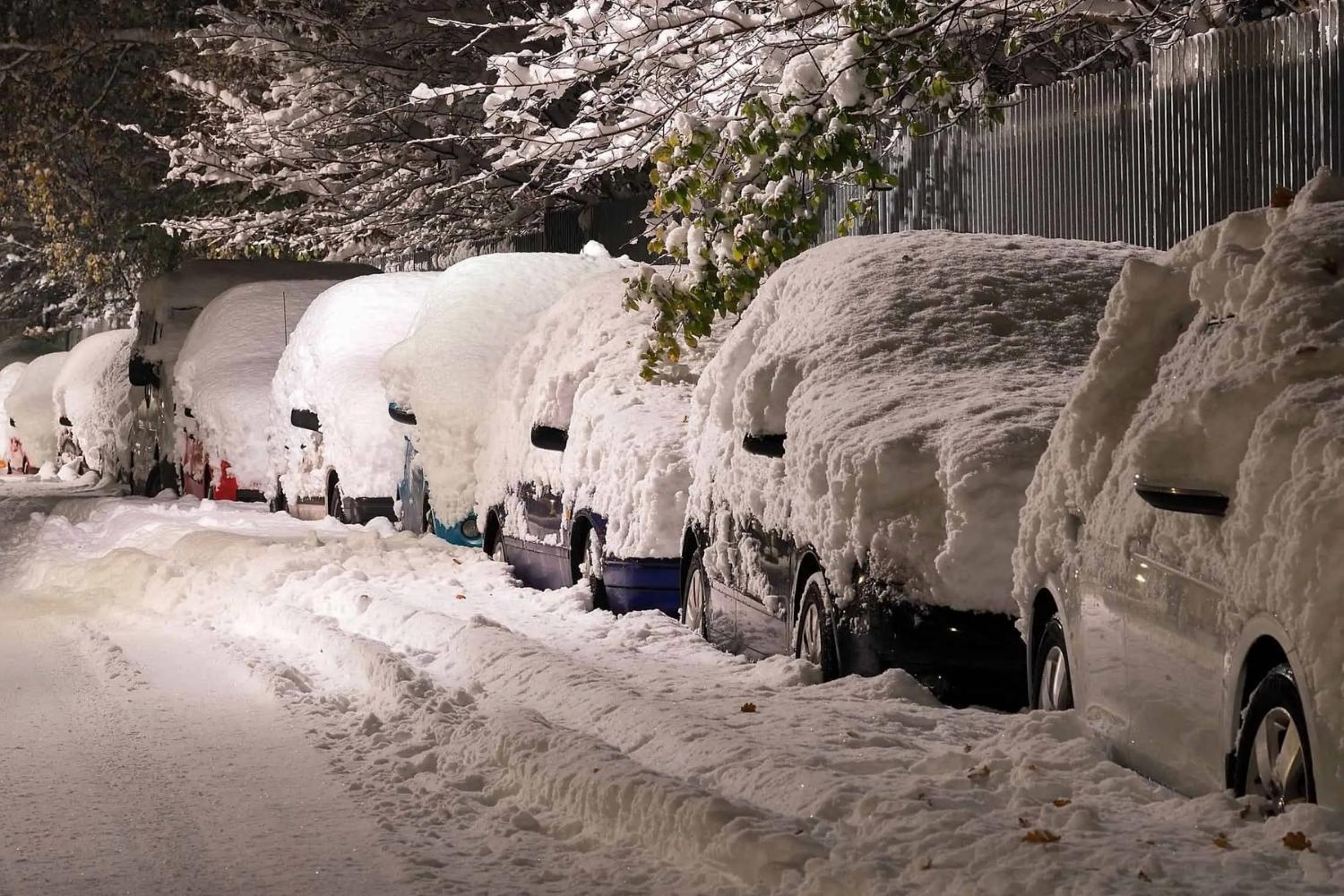
Snowfall is a common feature of Brampton winters. The city receives an average of 115 cm (45 inches) of snow each year, making it a winter wonderland for those who enjoy snow activities.
-
Spring in Brampton is a season of transition. Temperatures gradually rise from the chilly winter lows, with average highs reaching around 12°C (54°F) in April. This season also brings increased rainfall, helping to rejuvenate the local flora.
-
Summer is warm and humid. July is the hottest month, with average highs around 27°C (81°F). Occasionally, temperatures can soar above 30°C (86°F), making it essential to stay hydrated and cool.
-
Thunderstorms are not uncommon during the summer months. These storms can bring heavy rain, lightning, and sometimes even hail, providing a dramatic display of nature's power.
-
Fall is a beautiful season in Brampton. The city's numerous parks and green spaces transform into a tapestry of red, orange, and yellow as the leaves change color. Average temperatures in October hover around 13°C (55°F).
Unique Weather Patterns
Brampton's weather isn't just about the seasons. There are unique patterns and phenomena that make the city's climate interesting.
-
Lake effect snow can impact Brampton. While the city is not directly on the shores of any Great Lake, it can still receive significant snowfall from lake effect systems, especially from Lake Ontario.
-
Microclimates exist within Brampton. Due to its varied topography and urban development, different areas of the city can experience slightly different weather conditions at the same time.
-
Fog is a common occurrence, especially in the fall and spring. The combination of cool nights and warmer days can create dense fog, reducing visibility and adding an eerie beauty to the landscape.
-
Wind patterns in Brampton can be quite variable. The city experiences both calm days and windy conditions, with the latter often occurring ahead of or during weather fronts.
-
Temperature inversions can occur, trapping cold air near the ground under a layer of warmer air. This can lead to prolonged periods of cold weather and poor air quality.
Weather Records and Extremes
Brampton has seen its share of weather records and extremes over the years. These events highlight the city's climatic variability.
-
The highest temperature ever recorded in Brampton was 38.3°C (100.9°F) on August 25, 1948. This scorching day remains a record in the city's weather history.
-
The coldest temperature on record is -35.6°C (-32.1°F), recorded on January 4, 1981. This bone-chilling day is a stark reminder of the city's harsh winter potential.
-
Record snowfall in a single day occurred on December 11, 1944, when Brampton received 48 cm (18.9 inches) of snow. This heavy snowfall disrupted daily life and required significant cleanup efforts.
-
Rainfall records are also notable. The wettest day in Brampton's history was July 8, 2013, when 126 mm (4.96 inches) of rain fell, leading to widespread flooding and damage.
-
Droughts can affect Brampton, although they are less common than other weather extremes. Prolonged periods of dry weather can impact agriculture and water supply.
Seasonal Activities and Weather Impact
Brampton's weather significantly influences the activities and lifestyle of its residents. Each season brings unique opportunities and challenges.
-
Winter sports are popular in Brampton. Residents enjoy activities like ice skating, hockey, and skiing, taking advantage of the snowy conditions.
-
Spring gardening is a favorite pastime. As the weather warms, residents plant flowers, vegetables, and other plants, contributing to the city's lush greenery.
-
Summer festivals and outdoor events are a staple of Brampton life. The warm weather allows for concerts, food festivals, and community gatherings in the city's parks and public spaces.
-
Fall hiking is a beloved activity. The cooler temperatures and stunning fall foliage make it an ideal time for exploring Brampton's numerous trails and natural areas.
-
Weather preparedness is crucial for Brampton residents. The city's variable climate means that residents need to be ready for anything, from snowstorms to heatwaves.
Environmental and Climate Concerns
Brampton, like many cities, faces environmental and climate-related challenges. Understanding these issues is essential for future planning and sustainability.
-
Climate change is impacting Brampton. Rising temperatures and changing precipitation patterns are affecting the city's weather, leading to more extreme weather events.
-
Urban heat islands are a concern. The concentration of buildings and pavement in urban areas can lead to higher temperatures compared to surrounding rural areas.
-
Flooding is an increasing risk. As precipitation patterns change and urban development continues, managing stormwater and preventing floods are critical for the city's infrastructure and residents' safety.
Brampton's Weather: A Quick Recap
Brampton's weather offers a mix of extremes and moderation. Summers can get quite hot, with temperatures sometimes soaring above 30°C. Winters, on the other hand, bring chilly days and snowfall, often dipping below -10°C. Spring and fall provide a pleasant balance, with milder temperatures and colorful landscapes.
Rainfall is fairly consistent throughout the year, though summer thunderstorms are not uncommon. The city's weather can be unpredictable, so it's always good to be prepared for sudden changes.
Understanding Brampton's weather helps residents and visitors plan their activities better. Whether you're enjoying a sunny day in the park or bundling up for a snowy adventure, knowing what to expect makes all the difference. Stay informed, stay prepared, and enjoy all that Brampton's diverse climate has to offer.
Was this page helpful?
Our commitment to delivering trustworthy and engaging content is at the heart of what we do. Each fact on our site is contributed by real users like you, bringing a wealth of diverse insights and information. To ensure the highest standards of accuracy and reliability, our dedicated editors meticulously review each submission. This process guarantees that the facts we share are not only fascinating but also credible. Trust in our commitment to quality and authenticity as you explore and learn with us.