



Did you know Alaska experiences more earthquakes than any other state in the U.S.? This might come as a surprise, but the Last Frontier is a hotbed of seismic activity. From minor tremors to massive quakes, Alaska's unique position on the Pacific Ring of Fire makes it a prime spot for these natural events. Understanding these quakes can help residents and visitors stay prepared. In this blog post, we'll uncover 25 fascinating facts about Alaska earthquakes, shedding light on their causes, history, and impact. Whether you're a science enthusiast or just curious, these facts will give you a deeper appreciation for Alaska's dynamic geology. Buckle up for a seismic adventure!
Alaska's Seismic Activity
Alaska is a hotspot for earthquakes due to its location on the Pacific Ring of Fire. This region is known for its frequent seismic activity, making Alaska one of the most earthquake-prone areas in the world. Here are some fascinating facts about Alaska's earthquakes.
-
Alaska experiences more earthquakes than any other state in the U.S. Each year, thousands of earthquakes shake the state.
-
The largest earthquake in North American history occurred in Alaska. The 1964 Great Alaska Earthquake had a magnitude of 9.2.
-
Alaska's 1964 earthquake caused a tsunami that reached as far as California and Hawaii. This tsunami caused significant damage and loss of life.
-
The Denali Fault is one of the most active fault lines in Alaska. It stretches over 1,200 kilometers and is responsible for many of the state's earthquakes.
-
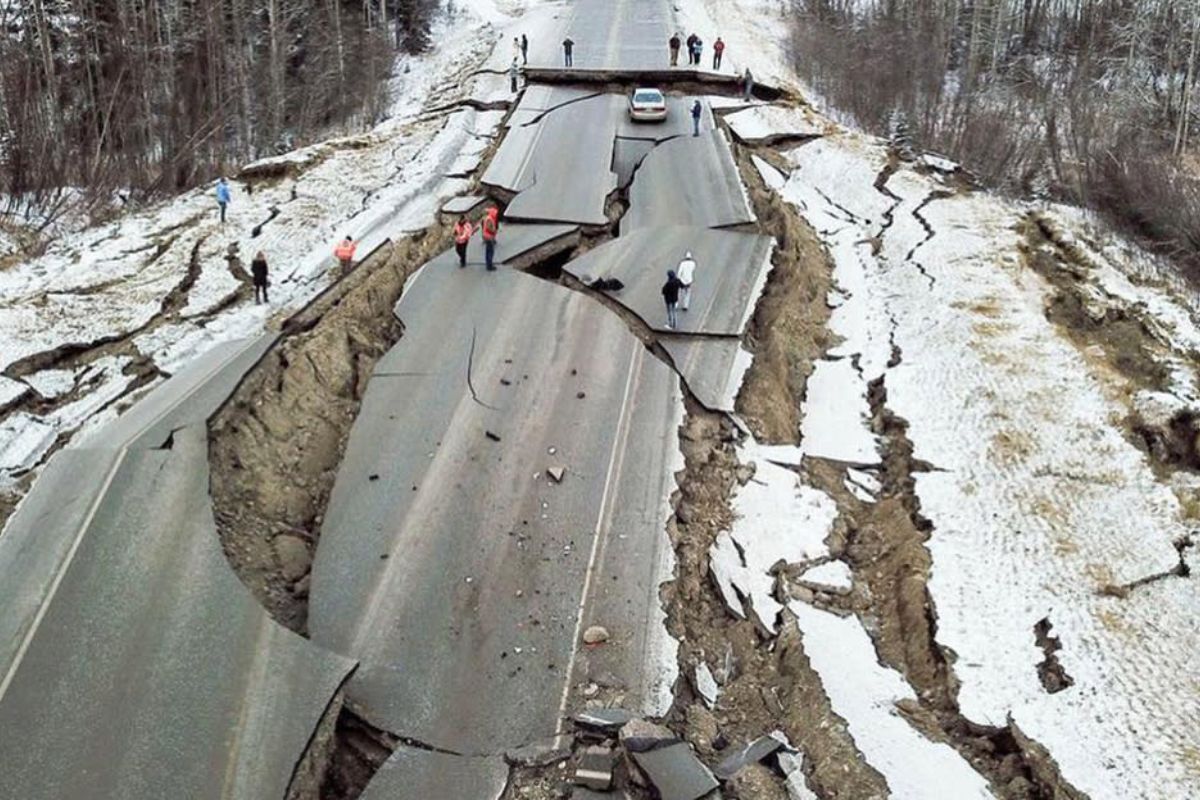
Earthquakes in Alaska can trigger landslides. These landslides can cause additional damage and pose a significant risk to communities.
-
The Alaska Earthquake Center monitors seismic activity in the state. This organization provides valuable data and information to help understand and mitigate earthquake risks.
-
Anchorage, Alaska's largest city, is particularly vulnerable to earthquakes. The city has experienced significant damage from past earthquakes, including the 1964 quake.
-
Alaska's earthquakes can cause ground liquefaction. This phenomenon occurs when saturated soil loses its strength and behaves like a liquid, causing buildings and infrastructure to sink or tilt.
-
The Aleutian Islands, part of Alaska, are highly seismically active. This chain of islands experiences frequent earthquakes due to its location on the Pacific Ring of Fire.
-
Alaska's earthquakes can be felt over a wide area. The state's vast size means that seismic waves can travel long distances, affecting regions far from the epicenter.
Historical Earthquakes in Alaska
Alaska's history is filled with notable earthquakes that have shaped the state's landscape and impacted its communities. Here are some significant historical earthquakes in Alaska.
-
The 1899 Yakutat Bay earthquakes were a series of powerful quakes. These earthquakes caused significant uplift and subsidence in the region.
-
The 1946 Aleutian Islands earthquake had a magnitude of 8.6. This earthquake generated a tsunami that caused extensive damage in Hawaii.
-
The 1957 Andreanof Islands earthquake had a magnitude of 8.6. This earthquake also generated a tsunami that affected the Pacific region.
-
The 1987 Gulf of Alaska earthquake had a magnitude of 7.9. This earthquake caused a small tsunami and was felt across southern Alaska.
-
The 2002 Denali earthquake had a magnitude of 7.9. This earthquake caused significant ground shaking and damage along the Denali Fault.
-
The 2018 Anchorage earthquake had a magnitude of 7.1. This earthquake caused widespread damage in Anchorage and surrounding areas.
-
The 2020 Simeonof Island earthquake had a magnitude of 7.8. This earthquake generated a small tsunami and was felt across the Aleutian Islands.
-
The 2021 Chignik earthquake had a magnitude of 8.2. This earthquake was one of the largest in recent years and generated a tsunami warning.
-
The 2022 Yakutat earthquake had a magnitude of 6.5. This earthquake was felt across southeastern Alaska and caused minor damage.
-
The 2023 Kodiak earthquake had a magnitude of 7.0. This earthquake was felt across southern Alaska and generated a small tsunami.
Preparing for Earthquakes in Alaska
Given the frequency and intensity of earthquakes in Alaska, preparation is crucial. Here are some important facts about earthquake preparedness in the state.
-
Building codes in Alaska are designed to withstand earthquakes. These codes ensure that new buildings are constructed to resist seismic forces.
-
Emergency preparedness plans are essential for Alaskan communities. These plans help residents know what to do before, during, and after an earthquake.
-
Earthquake drills are regularly conducted in schools and workplaces. These drills help people practice how to respond during an earthquake.
-
The Alaska Division of Homeland Security and Emergency Management provides resources and information. This organization helps residents prepare for and respond to earthquakes.
-
Seismic retrofitting is important for older buildings. This process strengthens existing structures to better withstand earthquakes.
Alaska's Earthquake Legacy
Alaska's earthquakes are more than just natural events; they're a testament to the state's dynamic geology. With over 20,000 quakes each year, Alaska is a hotspot for seismic activity. The 1964 Great Alaska Earthquake, the second most powerful ever recorded, reshaped the landscape and our understanding of tectonic forces. Earthquakes here are caused by the Pacific Plate sliding under the North American Plate, creating a volatile environment.
Living in Alaska means being prepared for the unexpected. Earthquake drills, emergency kits, and building codes designed to withstand tremors are part of daily life. Despite the risks, many Alaskans embrace the rugged beauty and unique challenges their state offers.
Understanding Alaska's seismic activity helps residents stay safe and appreciate the powerful forces shaping their world. Whether you're a local or a visitor, knowing these facts can deepen your connection to this extraordinary place.
Was this page helpful?
Our commitment to delivering trustworthy and engaging content is at the heart of what we do. Each fact on our site is contributed by real users like you, bringing a wealth of diverse insights and information. To ensure the highest standards of accuracy and reliability, our dedicated editors meticulously review each submission. This process guarantees that the facts we share are not only fascinating but also credible. Trust in our commitment to quality and authenticity as you explore and learn with us.