


Faberge Eggs are not just fancy trinkets; they are masterpieces of art and history. Created by the House of Faberge in Russia, these eggs are famous for their intricate designs and hidden surprises. Peter Carl Faberge crafted the first egg in 1885 for Tsar Alexander III, who gifted it to his wife, Empress Maria Feodorovna. This started a tradition that continued until the Russian Revolution. Each egg is unique, often made with precious metals and gemstones. They symbolize luxury, craftsmanship, and a bygone era of imperial splendor. Want to know more? Here are 30 fascinating facts about these legendary eggs.
The Origins of Fabergé Eggs
Fabergé eggs are synonymous with luxury and craftsmanship. These jeweled eggs have a rich history that dates back to the Russian Empire. Let's dive into some fascinating facts about these exquisite creations.
-
Peter Carl Fabergé was the mastermind behind these eggs. He was a renowned Russian jeweler who created the first Fabergé egg in 1885.
-
The first Fabergé egg was commissioned by Tsar Alexander III as an Easter gift for his wife, Empress Maria Feodorovna.
-
Known as the Hen Egg, the first creation featured a white enameled shell that opened to reveal a golden yolk, which in turn contained a golden hen and a miniature diamond crown.
The Imperial Connection
The Fabergé eggs are closely linked to the Russian Imperial family. These eggs were not just decorative items but also symbols of power and opulence.
-
50 Imperial eggs were created for the Russian Tsars Alexander III and Nicholas II between 1885 and 1917.
-
Each egg contained a surprise inside, ranging from miniature portraits to intricate mechanical devices.
-
The Imperial Coronation Egg is one of the most famous. It commemorated the coronation of Tsar Nicholas II and featured a miniature replica of the Imperial coach.
Craftsmanship and Design
The intricate design and craftsmanship of Fabergé eggs are what make them truly unique. Each egg is a masterpiece in its own right.
-
Fabergé employed a team of highly skilled artisans, including goldsmiths, enamelers, and jewelers, to create these eggs.
-
The eggs were made using precious materials such as gold, silver, diamonds, and pearls.
-
The Mosaic Egg is a stunning example of craftsmanship, featuring a surface covered in tiny, multicolored gemstones arranged in a mosaic pattern.
Historical Significance
Fabergé eggs are not just beautiful objects; they also hold significant historical value. They offer a glimpse into a bygone era of Russian history.
-
The Russian Revolution of 1917 led to the downfall of the Romanov dynasty, and many Fabergé eggs were lost or sold.
-
The House of Fabergé was nationalized by the Bolsheviks, and Peter Carl Fabergé fled Russia, never to return.
-
Some eggs were smuggled out of Russia and ended up in private collections around the world.
Modern-Day Fabergé Eggs
Even today, Fabergé eggs continue to captivate collectors and art enthusiasts. Their legacy lives on through modern interpretations and exhibitions.
-
The Fabergé brand was revived in the 21st century, and new eggs are still being created, albeit in limited numbers.
-
Modern Fabergé eggs often feature contemporary designs while maintaining the traditional craftsmanship.
-
The Fabergé Big Egg Hunt in 2012 saw artists from around the world create unique egg designs, which were then auctioned for charity.
Famous Collectors
Over the years, Fabergé eggs have attracted the attention of many famous collectors. These individuals have played a crucial role in preserving these masterpieces.
-
Queen Elizabeth II owns three Fabergé eggs, which are part of the Royal Collection.
-
Malcolm Forbes, the American publisher, amassed one of the largest private collections of Fabergé eggs.
-
Viktor Vekselberg, a Russian billionaire, purchased nine Imperial eggs from the Forbes collection in 2004.
The Hunt for Lost Eggs
Several Fabergé eggs have gone missing over the years, sparking a global hunt to locate these lost treasures.
-
Eight Imperial eggs are still unaccounted for, and their whereabouts remain a mystery.
-
The Third Imperial Egg was rediscovered in 2014 after being lost for over a century. It was found by a scrap metal dealer in the United States.
-
The Blue Serpent Clock Egg is another missing egg that has captivated treasure hunters and historians alike.
Record-Breaking Sales
Fabergé eggs have fetched astronomical prices at auctions, reflecting their immense value and desirability.
-
The Rothschild Egg sold for $18.5 million at a Christie's auction in 2007, setting a record for the most expensive Fabergé egg ever sold.
-
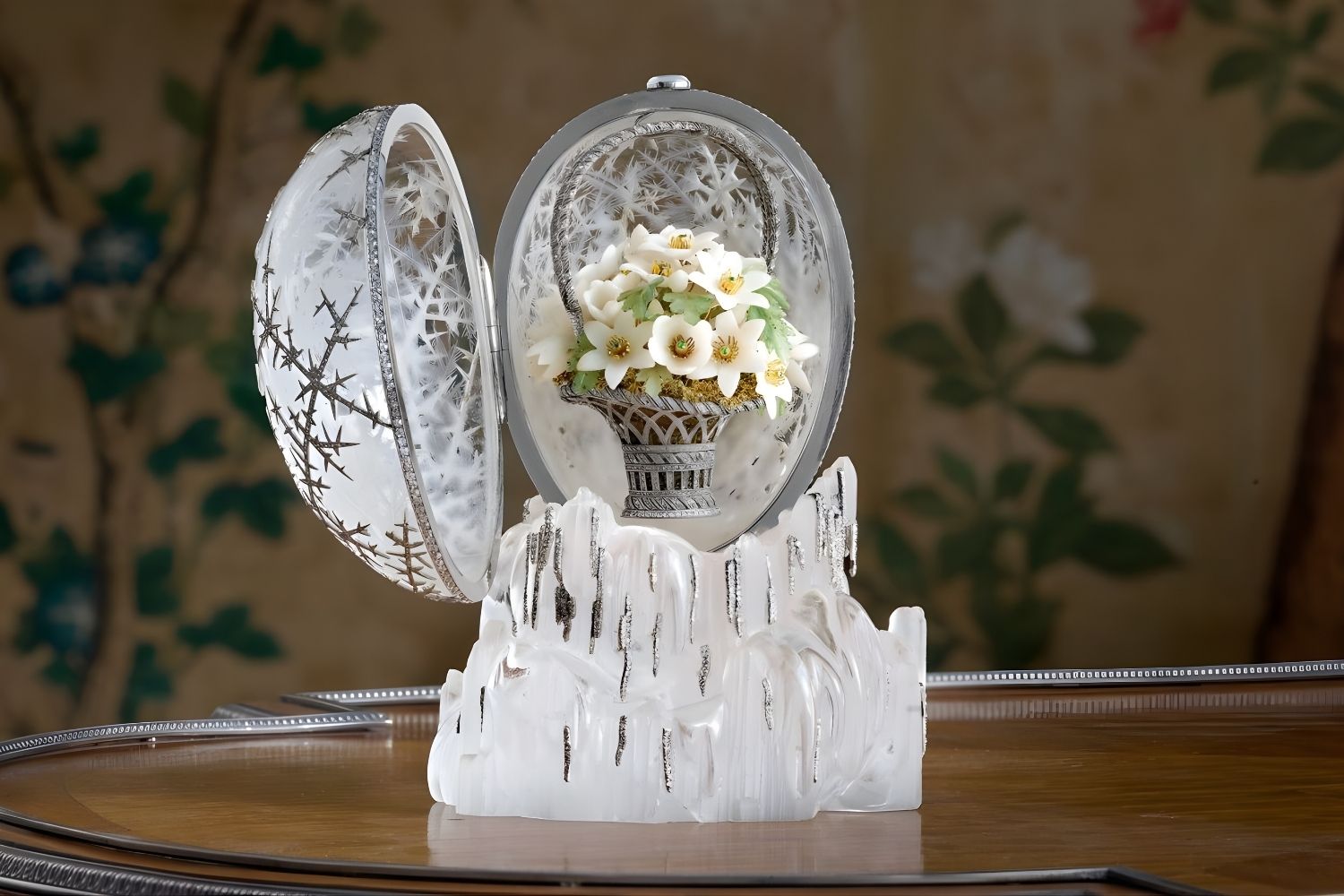
The Winter Egg, known for its rock crystal and platinum design, was sold for $9.6 million in 2002.
-
The Bay Tree Egg fetched $2.2 million at a Sotheby's auction in 1994.
Cultural Impact
Fabergé eggs have left an indelible mark on popular culture, inspiring everything from films to fashion.
-
The James Bond film "Octopussy" featured a Fabergé egg as a central plot element.
-
The animated film "Anastasia" includes a Fabergé egg as a key storyline device.
-
Fashion designers like Karl Lagerfeld have drawn inspiration from Fabergé eggs for their collections.
Fun Facts
Let's wrap up with some fun and quirky facts about Fabergé eggs that you might not know.
-
The largest Fabergé egg ever made is the "Moscow Kremlin Egg," which stands over a foot tall.
-
The smallest egg is the "Orange Tree Egg," which is only 3.2 inches tall.
-
Fabergé eggs have even made their way into video games, appearing as collectible items in various titles.
The Enduring Allure of Fabergé Eggs
Fabergé eggs have fascinated people for over a century. These intricate creations blend art, history, and luxury in a way few objects can. Each egg tells a story, from the opulence of the Russian Imperial family to the craftsmanship of Peter Carl Fabergé. Collectors and museums worldwide treasure these masterpieces, ensuring their legacy endures.
Whether adorned with diamonds, pearls, or intricate enamel work, each egg is a testament to human creativity and skill. They remind us of a bygone era of elegance and grandeur. As you explore the world of Fabergé eggs, you'll uncover layers of history and artistry that continue to captivate and inspire.
So next time you see one of these exquisite pieces, take a moment to appreciate the craftsmanship and history behind it. Fabergé eggs are more than just beautiful objects; they're a window into a rich and fascinating past.
Was this page helpful?
Our commitment to delivering trustworthy and engaging content is at the heart of what we do. Each fact on our site is contributed by real users like you, bringing a wealth of diverse insights and information. To ensure the highest standards of accuracy and reliability, our dedicated editors meticulously review each submission. This process guarantees that the facts we share are not only fascinating but also credible. Trust in our commitment to quality and authenticity as you explore and learn with us.