

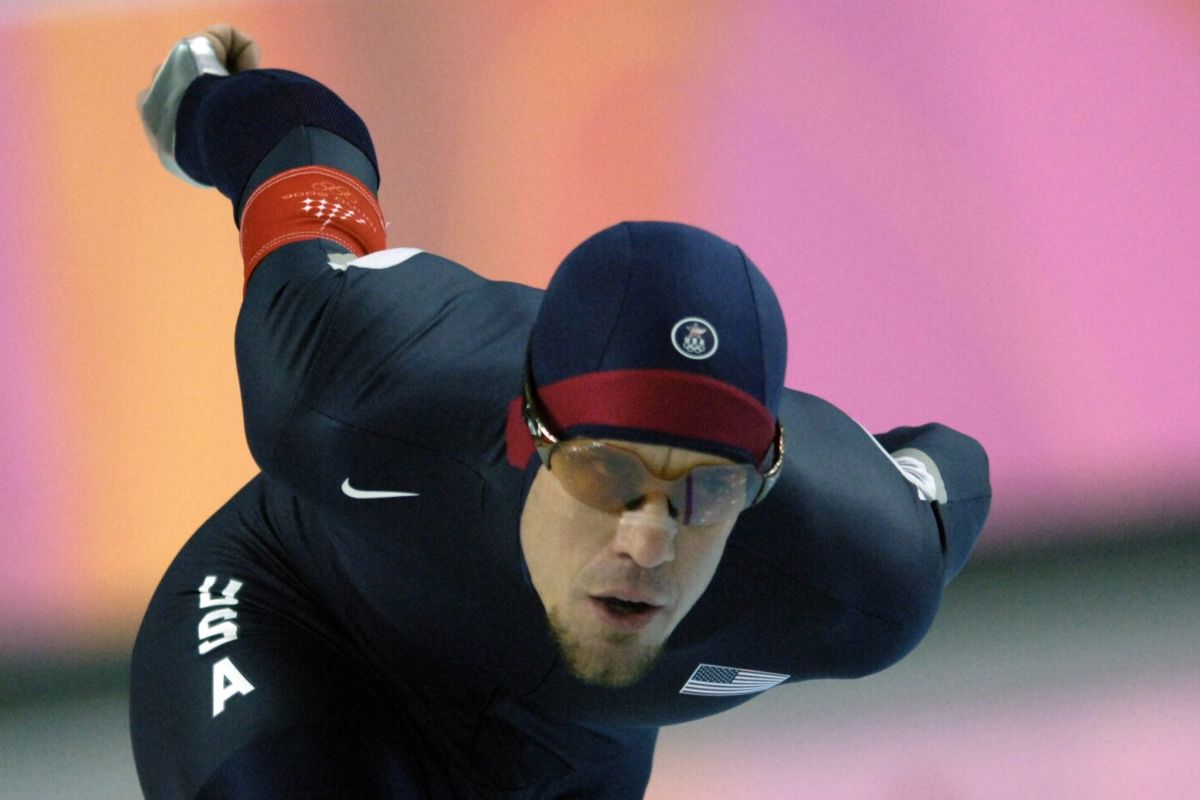


Victory Day is a significant event celebrated in various countries to mark the end of major conflicts and honor those who served. But what exactly is Victory Day? Victory Day commemorates the surrender of Nazi Germany in 1945, effectively ending World War II in Europe. Different countries observe this day on various dates, with Russia celebrating on May 9th and Western nations typically on May 8th. This day is filled with parades, ceremonies, and moments of reflection. Understanding the history and traditions surrounding Victory Day helps us appreciate the sacrifices made for peace. Let's dive into 25 intriguing facts about this historic day.
Victory in Sports
Victory in sports is often celebrated with great enthusiasm. Athletes train rigorously to achieve their goals, and their triumphs inspire many. Here are some fascinating facts about victory in the world of sports:
- The ancient Olympic Games, held in Greece, awarded winners with olive wreaths instead of medals.
- Michael Phelps holds the record for the most Olympic gold medals, with a total of 23.
- The FIFA World Cup trophy is made of 18-carat gold and weighs approximately 6.1 kilograms.
- In 1969, the New York Mets won their first World Series, despite being considered underdogs.
- The Boston Celtics have the most NBA championships, with 17 titles to their name.
Victory in History
Historical victories have shaped the world we live in today. These moments often mark significant turning points in history. Let's explore some notable historical victories:
- The Battle of Marathon in 490 BC saw the Greeks defeat the Persians, inspiring the modern marathon race.
- The Battle of Hastings in 1066 led to the Norman conquest of England.
- The American Revolution ended with the victory at Yorktown in 1781, securing independence for the United States.
- The Battle of Waterloo in 1815 marked the end of Napoleon Bonaparte's rule.
- The Allied victory in World War II in 1945 brought an end to the conflict and reshaped global politics.
Victory in Science
Scientific breakthroughs often come after years of research and experimentation. These victories have advanced our understanding of the world and improved our quality of life. Here are some key scientific victories:
- The discovery of penicillin by Alexander Fleming in 1928 revolutionized medicine.
- The successful landing of Apollo 11 on the moon in 1969 marked a significant achievement in space exploration.
- The Human Genome Project, completed in 2003, mapped the entire human genome.
- The development of the polio vaccine by Jonas Salk in 1955 saved countless lives.
- The discovery of the structure of DNA by James Watson and Francis Crick in 1953 provided insights into genetics.
Victory in Literature
Literary victories often come in the form of awards and recognition. These achievements highlight the impact of written works on society. Here are some notable literary victories:
- The Nobel Prize in Literature, established in 1901, honors outstanding literary achievements.
- Harper Lee's "To Kill a Mockingbird" won the Pulitzer Prize for Fiction in 1961.
- J.K. Rowling's "Harry Potter" series has sold over 500 million copies worldwide.
- Gabriel Garcia Marquez won the Nobel Prize in Literature in 1982 for his novel "One Hundred Years of Solitude."
- The Booker Prize, established in 1969, recognizes the best original novel written in English.
Victory in Technology
Technological advancements have transformed the way we live, work, and communicate. These victories have paved the way for innovation and progress. Here are some key technological victories:
- The invention of the internet in the late 20th century revolutionized communication and information sharing.
- The development of the smartphone has changed the way we interact with the world.
- The creation of the World Wide Web by Tim Berners-Lee in 1989 made the internet accessible to everyone.
- The launch of the first artificial satellite, Sputnik 1, by the Soviet Union in 1957 marked the beginning of the space age.
- The development of renewable energy technologies, such as solar and wind power, has provided sustainable alternatives to fossil fuels.
The Final Word on Victory
Victory isn't just about winning; it's about the journey, the lessons learned, and the growth experienced. From ancient battles to modern sports, victory has always been a symbol of hard work, determination, and resilience. It's fascinating how the concept of victory transcends cultures, time periods, and even species. Whether it's a gladiator in the Colosseum or a student acing a tough exam, the essence of victory remains the same.
Remember, victory isn't always about coming first. Sometimes, it's about overcoming personal challenges, breaking barriers, or simply giving your best effort. Celebrate your victories, big or small, and use them as stepping stones for future success. Keep pushing forward, stay motivated, and let each victory, no matter how small, fuel your journey. Victory is not just a destination; it's a mindset. Embrace it, and you'll find success in every corner of life.
Was this page helpful?
Our commitment to delivering trustworthy and engaging content is at the heart of what we do. Each fact on our site is contributed by real users like you, bringing a wealth of diverse insights and information. To ensure the highest standards of accuracy and reliability, our dedicated editors meticulously review each submission. This process guarantees that the facts we share are not only fascinating but also credible. Trust in our commitment to quality and authenticity as you explore and learn with us.