


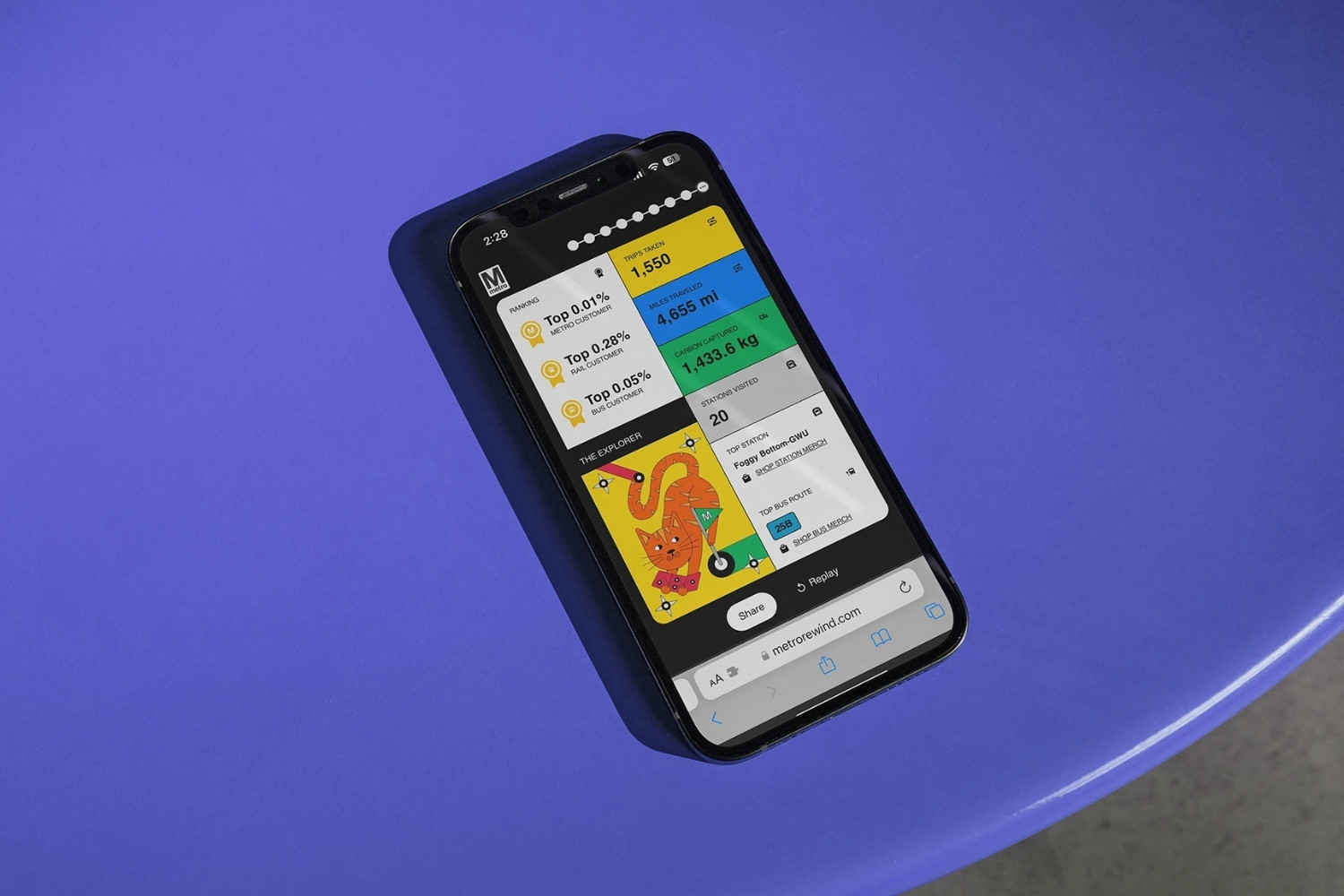
What is Metro Rewind? Metro Rewind is a digital platform that brings back the golden era of Indian television. Launched by the Times Group, it offers a treasure trove of classic TV shows, movies, and serials from the '80s and '90s. Imagine reliving the magic of iconic series like "Hum Log" or "Buniyaad" right at your fingertips. Metro Rewind isn't just about nostalgia; it’s a bridge connecting generations through timeless content. Whether you're a millennial curious about past TV gems or someone who grew up watching these classics, Metro Rewind has something special for you. Dive into a world where every show is a trip down memory lane.
Metro Rewind: A Journey Through Time
Metro systems around the world have fascinating histories and unique features. Let's dive into some intriguing facts about these urban lifelines.
The Birth of Metro Systems
Metro systems have been around for quite some time. Here are some interesting facts about their origins.
- The first metro system in the world was the London Underground, which opened in 1863. It was initially powered by steam engines.
- New York City's subway system, which began operation in 1904, is one of the largest and busiest in the world.
- The Paris Métro, inaugurated in 1900, is famous for its Art Nouveau station entrances designed by Hector Guimard.
- Tokyo's metro system, which started in 1927, is known for its punctuality and efficiency, with trains arriving every few minutes.
Engineering Marvels
Metro systems are not just about transportation; they are feats of engineering.
- The Moscow Metro, opened in 1935, is renowned for its stunning architecture and ornate stations, often referred to as "underground palaces."
- The Hong Kong MTR, launched in 1979, is one of the most profitable metro systems globally, with a farebox recovery ratio of over 180%.
- The deepest metro station in the world is Arsenalna in Kyiv, Ukraine, which is 105.5 meters below ground.
- The Shanghai Metro, operational since 1993, is the longest metro network in the world, with over 800 kilometers of track.
Technological Innovations
Metro systems have embraced technology to improve efficiency and passenger experience.
- The Dubai Metro, which started in 2009, is the world's longest fully automated metro network.
- Seoul's metro system, operational since 1974, offers free Wi-Fi in all stations and trains.
- The Copenhagen Metro, opened in 2002, uses driverless trains controlled by a centralized computer system.
- The Singapore MRT, which began in 1987, employs advanced signaling systems to ensure safety and punctuality.
Cultural Significance
Metro systems often reflect the culture and history of their cities.
- The Buenos Aires Subte, operational since 1913, features murals and artwork that depict Argentine history and culture.
- The Stockholm Metro, opened in 1950, is often called the "world's longest art gallery" due to its extensive collection of artworks in stations.
- The Montreal Metro, which started in 1966, has a unique rubber-tired design to reduce noise and vibration.
- The Athens Metro, operational since 2000, has stations that double as archaeological museums, displaying artifacts found during construction.
Environmental Impact
Metro systems play a crucial role in reducing urban pollution and traffic congestion.
- The Delhi Metro, which began in 2002, is the first metro system in the world to receive carbon credits for reducing greenhouse gas emissions.
- The Vancouver SkyTrain, operational since 1985, is powered by electricity, making it an environmentally friendly transportation option.
- The Madrid Metro, opened in 1919, has implemented energy-saving measures like regenerative braking to reduce its carbon footprint.
- The Oslo Metro, which started in 1966, runs on renewable energy sources, contributing to the city's sustainability goals.
Fun and Quirky Facts
Metro systems have their share of fun and quirky aspects that make them unique.
- The Munich U-Bahn, operational since 1971, has a station named "Westfriedhof" that features eerie blue lighting, creating a unique atmosphere.
- The Washington D.C. Metro, which began in 1976, has a station called "Foggy Bottom," a name that often amuses tourists.
- The Barcelona Metro, opened in 1924, has a station named "Drassanes" that is located near the city's historic shipyards.
- The São Paulo Metro, operational since 1974, has a station called "Sé" that is known for its vibrant street performers.
- The Istanbul Metro, which started in 1989, has a station named "Taksim" that is a popular meeting point for locals and tourists alike.
Final Thoughts on Metro Rewind
Metro Rewind offers a fascinating glimpse into the past, bringing history to life in a way that's both engaging and educational. From its vintage advertisements to classic TV shows, it’s a treasure trove for nostalgia lovers. The channel's dedication to preserving and showcasing historical content makes it a unique gem in today’s media landscape. Whether you're a history buff or just curious about the past, Metro Rewind provides a rich, immersive experience. Its diverse programming ensures there's something for everyone, making it a must-watch for anyone interested in the bygone eras. So, next time you’re looking for something different, tune in to Metro Rewind. You might just find yourself hooked on the charm of yesteryears.
Was this page helpful?
Our commitment to delivering trustworthy and engaging content is at the heart of what we do. Each fact on our site is contributed by real users like you, bringing a wealth of diverse insights and information. To ensure the highest standards of accuracy and reliability, our dedicated editors meticulously review each submission. This process guarantees that the facts we share are not only fascinating but also credible. Trust in our commitment to quality and authenticity as you explore and learn with us.