



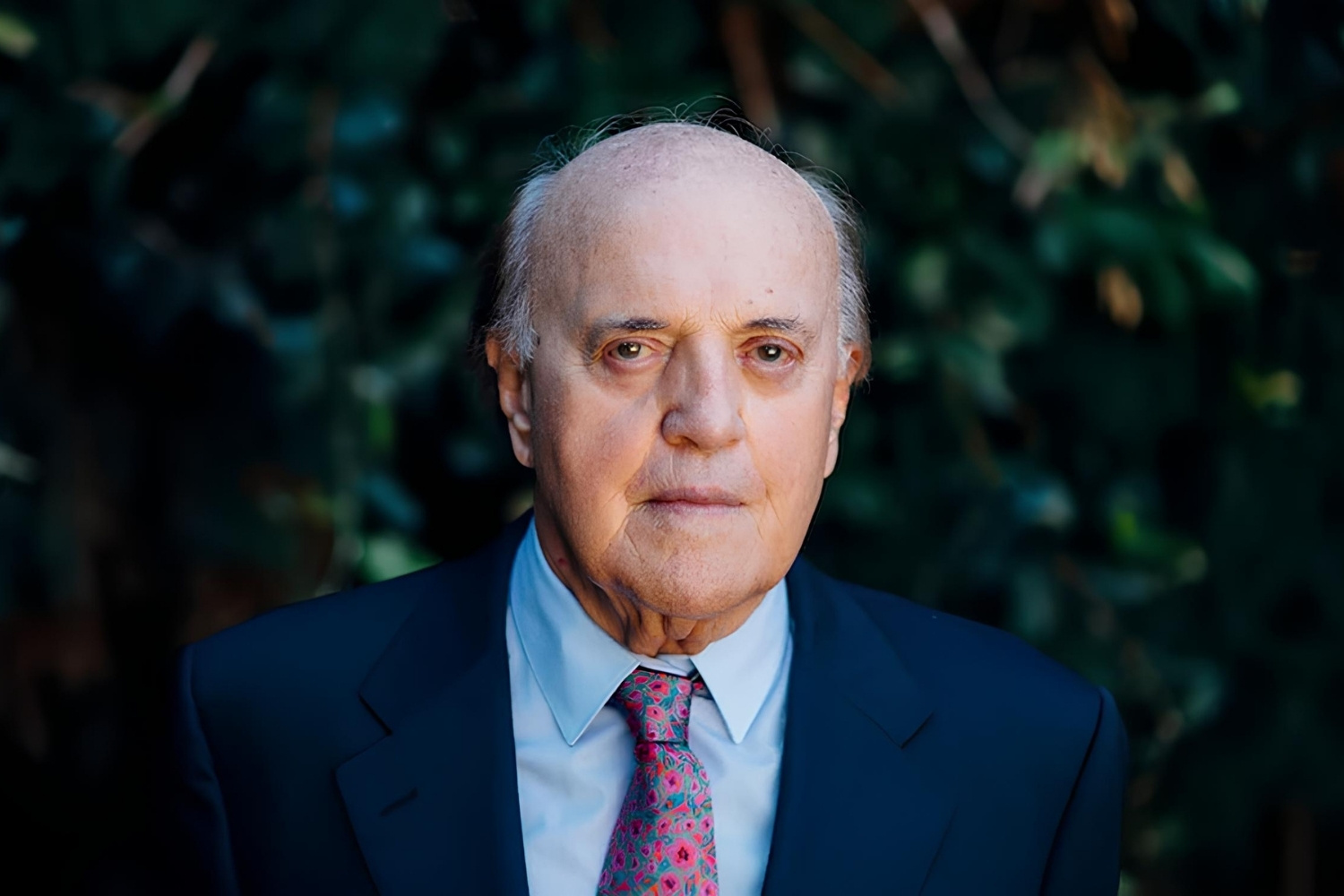
Peter Arnett is a name that resonates with anyone familiar with journalism. Known for his fearless reporting, he has covered some of the most significant events of the 20th century. But who is Peter Arnett beyond the headlines? Born in New Zealand, Arnett's career took him across the globe, from the jungles of Vietnam to the deserts of Iraq. He won a Pulitzer Prize for his work during the Vietnam War and became a household name during the Gulf War, thanks to his live reports from Baghdad. What makes Peter Arnett's story so compelling is not just his professional achievements but also his resilience and dedication to uncovering the truth. Let's dive into 25 fascinating facts about this legendary journalist.
Who is Peter Arnett?
Peter Arnett is a renowned journalist known for his extensive career covering some of the most significant events of the 20th and 21st centuries. His work has taken him to war zones, political hotspots, and places of historical importance. Here are some fascinating facts about his life and career.
-
Born in New Zealand in 1934, Peter Arnett grew up in Riverton, a small town on the southern coast.
-
Arnett began his journalism career at the age of 18, working for the Southland Times in Invercargill, New Zealand.
-
He moved to Southeast Asia in the early 1960s, where he covered the Vietnam War for the Associated Press (AP).
-
Arnett won the Pulitzer Prize for International Reporting in 1966 for his coverage of the Vietnam War.
-
His reporting style was immersive; he often stayed with soldiers on the front lines to get firsthand accounts.
Career Highlights
Peter Arnett's career is filled with notable moments that have left a lasting impact on journalism. His dedication to uncovering the truth has earned him numerous accolades.
-
Arnett joined CNN in 1981, becoming one of the network's most recognizable faces.
-
He gained international fame during the Gulf War in 1991, providing live reports from Baghdad as bombs fell around him.
-
His reporting during the Gulf War earned him a CableACE Award and a George Polk Award.
-
Arnett was the first journalist to interview Osama bin Laden, in 1997, long before the world knew his name.
-
He covered the U.S. invasion of Iraq in 2003, providing critical insights into the conflict.
Controversies and Criticisms
Like many journalists, Peter Arnett has faced his share of controversies. His career has not been without its challenges and criticisms.
-
In 1998, Arnett was criticized for his involvement in a CNN report alleging the use of nerve gas by U.S. forces in Vietnam, which was later retracted.
-
During the 2003 Iraq War, he was fired by NBC and National Geographic for giving an interview to Iraqi state television, which was seen as controversial.
-
Despite these setbacks, Arnett continued to work as a freelance journalist, contributing to various international publications.
Awards and Recognitions
Peter Arnett's contributions to journalism have been widely recognized. His work has earned him numerous awards and honors.
-
In addition to the Pulitzer Prize, Arnett has received the Overseas Press Club's Hal Boyle Award.
-
He was awarded the Robert Capa Gold Medal for his exceptional courage in reporting.
-
Arnett received an Emmy Award for his coverage of the Gulf War.
-
He was inducted into the Television Hall of Fame in 1997.
Personal Life
Beyond his professional achievements, Peter Arnett's personal life has also been of interest to many. His experiences have shaped his unique perspective on the world.
-
Arnett has been married twice and has three children.
-
His son, Andrew Arnett, followed in his footsteps and became a journalist.
-
Arnett has written several books, including his memoir, "Live from the Battlefield."
-
He holds dual citizenship in New Zealand and the United States.
Legacy and Impact
Peter Arnett's legacy in journalism is undeniable. His work has inspired many and set a high standard for war reporting.
-
Arnett's reporting style has influenced a generation of journalists, emphasizing the importance of being on the ground to get the story.
-
He has been a guest lecturer at various universities, sharing his experiences and insights with aspiring journalists.
-
Arnett's memoir, "Live from the Battlefield," is considered a must-read for anyone interested in war journalism.
-
Despite the controversies, Arnett's commitment to uncovering the truth has left an indelible mark on the field of journalism.
Peter Arnett: A Legacy of Journalism
Peter Arnett's career is a testament to the power of journalism. From his Pulitzer Prize-winning coverage of the Vietnam War to his unforgettable reports during the Gulf War, Arnett has consistently delivered hard-hitting stories. His work has not only informed the public but also shaped the way we understand global conflicts. Arnett's dedication to truth and integrity in journalism serves as an inspiration for future generations of reporters. His ability to report from the front lines, often under dangerous conditions, highlights his commitment to bringing the realities of war to the forefront. As we reflect on his contributions, it's clear that Peter Arnett's legacy will continue to influence the field of journalism for years to come. His stories remain a valuable resource for understanding the complexities of international affairs.
Was this page helpful?
Our commitment to delivering trustworthy and engaging content is at the heart of what we do. Each fact on our site is contributed by real users like you, bringing a wealth of diverse insights and information. To ensure the highest standards of accuracy and reliability, our dedicated editors meticulously review each submission. This process guarantees that the facts we share are not only fascinating but also credible. Trust in our commitment to quality and authenticity as you explore and learn with us.